Entry options brief
Compare the commercial routes into Korea, the control each offers, the capabilities required and the questions for qualified legal and tax advisers.
Practice
Prospera brings commercial, transaction and local expertise into one plan. We assess whether a partnership, joint venture, acquisition or your own operation fits the objective, then coordinate the work needed to advance that decision.
For international owners, CEOs and strategy teams with an established business and a concrete decision about Korea.
Compare the commercial routes into Korea, the control each offers, the capabilities required and the questions for qualified legal and tax advisers.
Define the partner you need. Assess an existing proposal or agree the scope for a search, with evidence and open questions recorded separately.
Set the decisions, responsibilities and milestones before committing more capital or building a local operation.
Start with your company website, the business objective, any existing Korean proposal and the decision you need to make. A short, non-confidential brief is enough for the first conversation.
These are possible work products. Scope, fees, responsibilities and milestones are agreed before an engagement begins. An introduction, investment or completed transaction is not guaranteed.
Partner-led entry, a liaison office, a branch or a Korean subsidiary each permit different activities and carry different liability, tax and reporting consequences. Where the plan involves an equity investment into a Korean company, whether it counts as foreign investment depends on its amount and form [1].
Direct sales, a distributor, a reseller network or a strategic partner. The choice sets pricing, margin, customer ownership and how quickly revenue can start.
Which territory, channel and period a Korean partner receives, on what performance conditions, and what happens to customers if the relationship ends.
Whether the product or service needs Korean registration, certification or a licence before sale. This requires confirmation with Korean counsel before any commitment to partners or customers.
We establish the objective, the evidence of Korean demand, existing relationships and internal constraints, and identify the decisions that must be taken first.
We compare the realistic entry options and recommend a structure, with the open legal and tax questions framed for counsel and a view of what the budget must cover.
We set partner criteria, screen and approach Korean partners, distributors or suppliers, and bring in affiliated professional firms for the confirmed legal, tax and accounting scope.
We run negotiations, entity or partnership set-up and the first operating milestones under one plan with one point of accountability.
| Structure | When it fits | What to weigh |
|---|---|---|
| Distributor or reseller agreement | Fast entry with limited local investment, where a partner already reaches the target customers. | Customer relationships sit with the distributor. Exclusivity, minimum commitments, termination and customer transition terms decide how much control you keep if you later move to your own entity. |
| Liaison office | Market research, supplier liaison or relationship building before any revenue. | Generally limited to non-revenue activities. It is a step towards an operating model rather than one, and its permitted scope requires confirmation with counsel. |
| Branch of the foreign company | Operating in Korea under the foreign parent's own legal entity. | The parent is directly exposed to the branch's liabilities. Tax and reporting treatment should be confirmed with advisers before choosing a branch over a subsidiary. |
| Korean subsidiary | When you need to contract, hire, invoice and hold licences locally, with liability contained in a Korean company. | The stock company (jusik hoesa) and the limited company (yuhan hoesa) are the common forms. Capital, foreign investment reporting and governance should be set with counsel as part of the structure, not after it. |
| Joint venture or acquisition | When a Korean partner's customers, licences or operations are worth more than building them from zero. | Control, contribution valuation and exit terms become the central issues. See joint ventures in Korea and cross-border M&A in Korea. |
Prospera is led by its founder, with specialists on the work that needs them. The person who diagnoses your situation stays responsible for the structure and the execution, so decisions made in the first weeks are not lost in hand-offs.
We work in the order Diagnose, Structure, Connect, Execute. Engagements are scoped stage by stage, so the commitment on both sides grows with the certainty of the plan. The complete guide to entering Korea explains each stage in detail.
We lead the business and transaction structure. Legal, tax and accounting services are provided by affiliated professional firms that contract directly with you, and we coordinate their scope within the plan. Where a project touches digital assets or regulatory policy, our founder's background is directly relevant.
Yes. This path is designed for mid-market owners and management teams deciding how an existing business should grow in Korea. The question may be a first operating presence, an acquisition, a JV or an existing partner relationship that needs a different structure. The first discussion establishes the commercial objective and whether Prospera can contribute.
Yes. We can scope a review around the proposed commercial model, each party’s contribution, decision rights, the evidence behind the opportunity and the questions still unanswered. Qualified legal and tax advisers address the relevant professional questions. A proposal review does not require committing to a partner search or a transaction.
The agreed scope determines the output. A first stage may produce an entry-options brief, partner assessment or decision plan, rather than a full market launch. We agree the questions to answer, the evidence to collect and the decision the work must support before starting. Further execution is a separate scope decision.
Review the team’s individual experience in cross-border business development, capital and transactions. These biographies include work before Prospera and are not presented as completed Prospera engagements.

Founder & CEO · Cross-border business development
View profile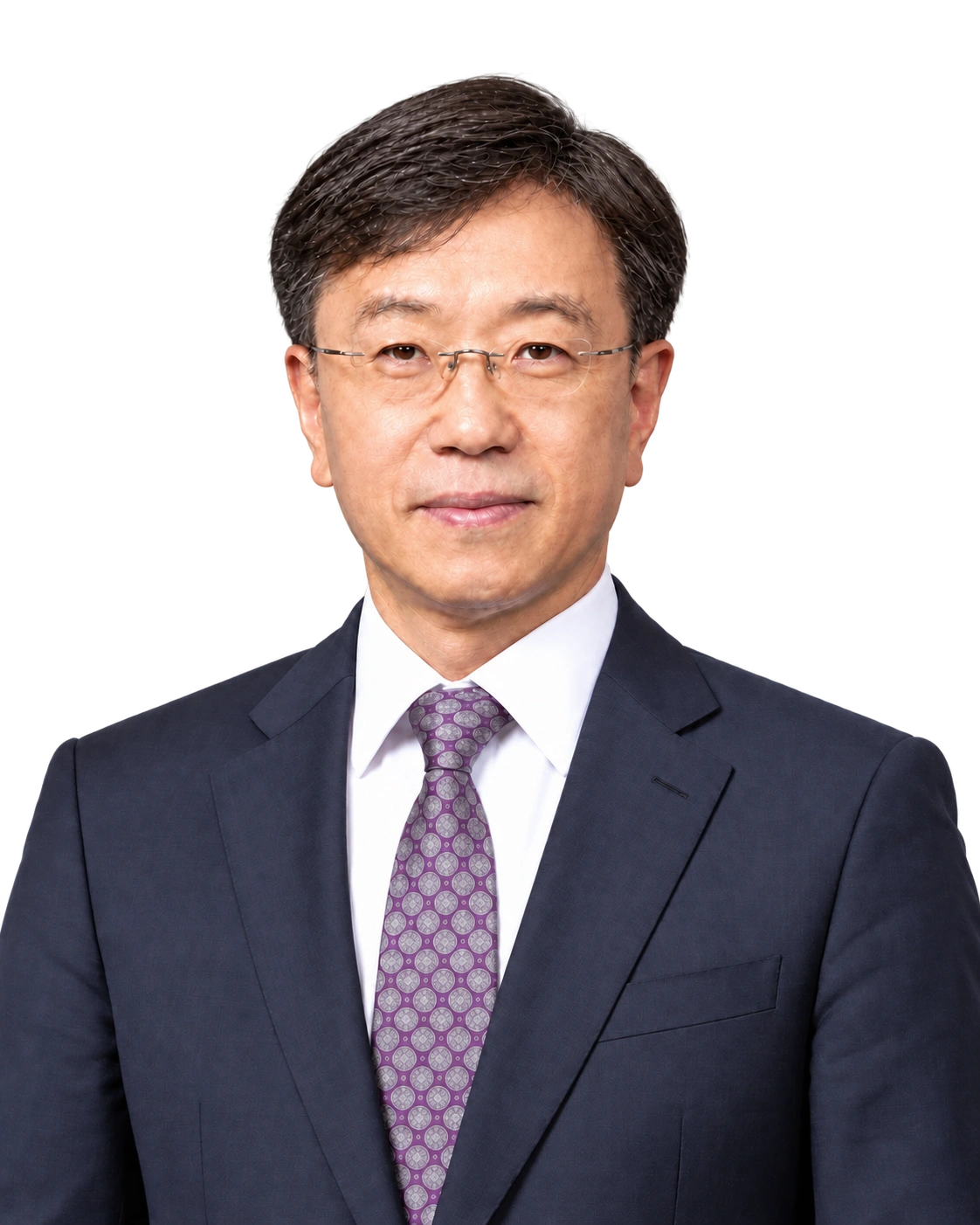
Lead Partner · Institutional Finance
View profile
Partner · Supply Chain & Industrial Sourcing
View profile
Partner · Cross-Border Tax & Trade
View profile
Lead Partner · M&A & Mezzanine Finance
View profileA Korea market entry advisor helps a foreign company decide how to enter Korea and then makes that decision happen. The work typically covers the entry structure, the go-to-market model, finding and negotiating with Korean partners or distributors, coordinating legal, tax and accounting specialists, and managing execution until the business is operating.
Most entry problems come from decisions taken in the wrong order: a partner chosen before the structure, or an entity registered before the regulatory position is confirmed. An advisor's value lies in sequencing those decisions and holding them together.
Prospera leads the entry structure and execution, and coordinates affiliated professional firms that contract directly with you for legal, tax and accounting work.
A foreign company typically needs to decide its Korean entry structure, target customers, local operating model, distribution or partnership model, and applicable regulatory requirements before establishing the final execution plan. Common routes are a distributor, a liaison office, a branch, a Korean subsidiary, a joint venture or an acquisition. The right structure depends on the business and the industry.
Each route changes who owns the customer relationship, what can be done locally and how easily the company can change course later. Choosing by habit — usually the route used in the last market — is a frequent source of costly restructuring.
Prospera compares the realistic routes for your business, recommends a structure and runs the execution with partners and specialists.
Use a distributor when speed and low fixed cost matter more than control, and a partner already reaches your customers. Set up a subsidiary when you need to contract, hire, hold licences or own customer relationships in Korea. Many companies start with a distributor and move to a subsidiary, so the distributor agreement should allow that transition.
The decision is rarely permanent, but the exit from a distributor relationship is governed by the contract signed on day one. Termination, customer transfer and inventory terms are what make a later move affordable.
Prospera models both routes against your objectives and negotiates the distributor terms or runs the subsidiary set-up. The subsidiary vs distributor guide sets out the trade-offs.
A liaison office is generally limited to non-revenue activities such as market research and liaison. A branch operates under the foreign parent's legal entity, so the parent is directly exposed to its liabilities. A subsidiary is a separate Korean company that can contract, hire and hold licences in its own name. Permitted activities and tax treatment require confirmation with advisers.
The vehicle determines what the Korean team can legally do, how profits and losses are treated, and how much of the parent is exposed. Changing vehicle later usually means transferring contracts, staff and licences.
Prospera frames the activity list and the open questions for affiliated counsel and tax advisers, then brings their answers into one structure recommendation.
Start with written criteria, not introductions: the customers the partner must reach, the capabilities it must have, the incentives that will keep it focused on your product, and any conflicts with competing lines. Screen a long-list against those criteria, approach the strongest candidates in a controlled order, and protect exclusivity until performance is proven.
Korean partners are often approached through personal introductions, which can be valuable but tend to replace selection with relationship. A partner chosen this way may be well connected and still wrong for the product.
Prospera defines the criteria, builds and screens the long-list, approaches candidates and negotiates the commercial terms. For JV-type partnerships see how to find a Korean JV partner.
Under the Enforcement Decree of the Foreign Investment Promotion Act, an equity investment generally counts as foreign investment when it is KRW 100 million or more and the foreign investor holds at least 10% of the voting shares, or holds shares and appoints or dispatches officers. How the rules apply to a specific plan requires confirmation with Korean counsel.
Foreign investment status affects the reporting and registration steps around setting up or investing in a Korean company [1]. Treating it as an afterthought can delay capital injection or the start of operations.
Prospera includes the investment structure in the entry plan and coordinates affiliated counsel on the reporting and registration steps.
The timeline depends more on decisions than on paperwork. Registering a vehicle is usually not the slowest step; agreeing the structure internally, confirming the product's regulatory position and negotiating with Korean partners take longer. A realistic timeline can only be set once the structure and the regulatory questions are known.
Plans that start with a registration date and work backwards often discover a certification or partner negotiation that moves the launch. Timelines built from the critical decisions hold better.
Prospera builds the execution plan around the critical decisions and manages the dependencies between partners, specialists and headquarters.
Prepare a clear view of what you want from the partner, what you are prepared to offer, and what you will not agree to in a first meeting — especially exclusivity, territory and pricing. Bring Korean-language materials that explain the product and its references, and know who on your side can make which decisions.
Korean partners frequently test commitment early. A team that cannot answer who decides, or that improvises on exclusivity, sets the negotiation's anchor against itself.
Prospera prepares the negotiating position, attends or leads the meetings, and keeps the discussion anchored to the agreed structure.
Prospera leads the overall business and transaction structure. Legal, tax and accounting services are provided by affiliated professional firms that contract directly with the client. Prospera scopes their work around the questions the structure raises and brings their advice back into one plan, so specialist conclusions and commercial decisions stay consistent.
Direct contracts mean each professional carries responsibility for its own advice. Coordination means that advice answers the questions the transaction actually depends on.
Prospera coordinates the specialists and remains accountable for the overall structure and execution.
In most B2B and consumer markets in Korea, yes. Buyers commonly expect Korean-language materials, Korean-speaking support and local references, and partners use those materials in their own sales process. The level of support needed varies by sector and should be decided as part of the operating model, because it affects the budget and the choice of partner.
Localisation is often treated as a marketing task and budgeted late. In practice it influences whether a distributor can sell the product at all and whether a subsidiary needs local hires from day one.
Prospera builds localisation requirements into the operating model and partner terms rather than leaving them to launch.
Start with your company website, the business objective, any existing Korean proposal and the decision you need to make. A short, non-confidential brief is enough for the first conversation.
Start your Korea entry discussion →